Fierce Pharma
Fierce Biotech
Fierce Healthcare
Fierce Life Sciences Events
Advertise
About Us
Biotech
Cell & Gene Therapy
Clinical Data
Venture Capital
Deals
Research
Medtech
Devices
Diagnostics
AI and Machine Learning
CRO
Special Reports
Fierce 50
Special Report
Awards Gala
Resources
Fierce Events
Industry Events
Webinars
Podcasts
Whitepapers
Survey
Events
Subscribe
Subscribe
Biotech
Cell & Gene Therapy
Clinical Data
Venture Capital
Deals
Research
Medtech
Devices
Diagnostics
AI and Machine Learning
CRO
Special Reports
Fierce 50
Special Report
Awards Gala
Resources
Fierce Events
Industry Events
Webinars
Podcasts
Whitepapers
Survey
Events
Subscribe
Fierce Pharma
Fierce Biotech
Fierce Healthcare
Fierce Life Sciences Events
Advertise
About Us
Research
CRO
Charles River launches program for animal testing alternatives
Charles River Laboratories, a major supplier of animal models, has launched a new project to cut down on animal testing in drug discovery.
Helen Floersh
Apr 18, 2024 6:00am
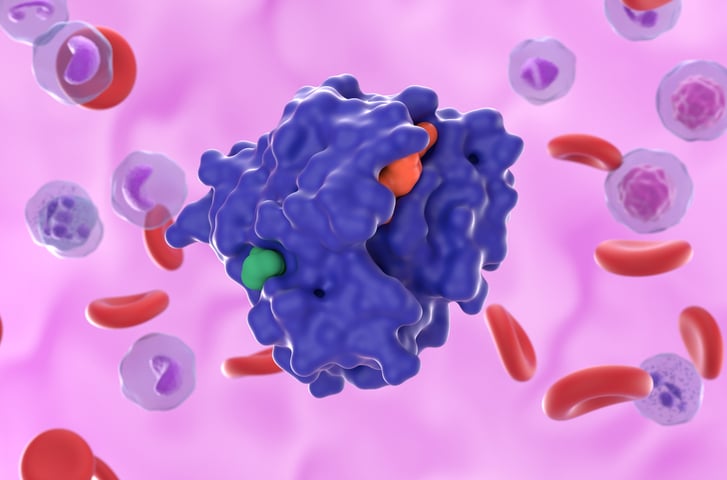
Europe leads in cystic fibrosis trials, North America for AML
Apr 16, 2024 5:00pm
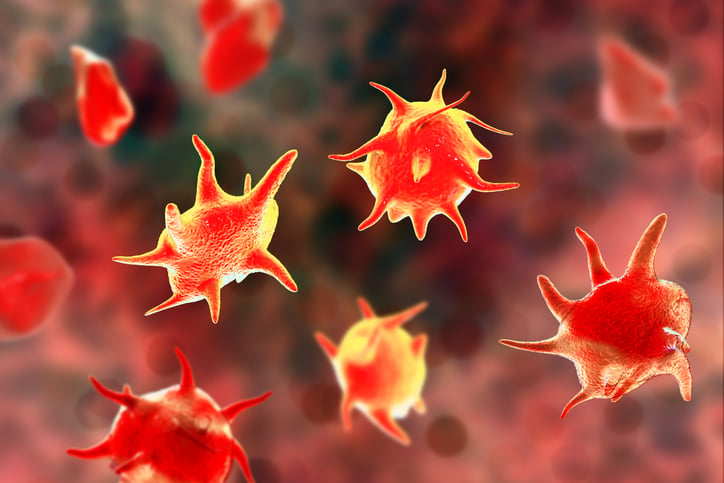
SelSym hopes to control bleeding via squishy synthetic platelets
Apr 16, 2024 4:30am
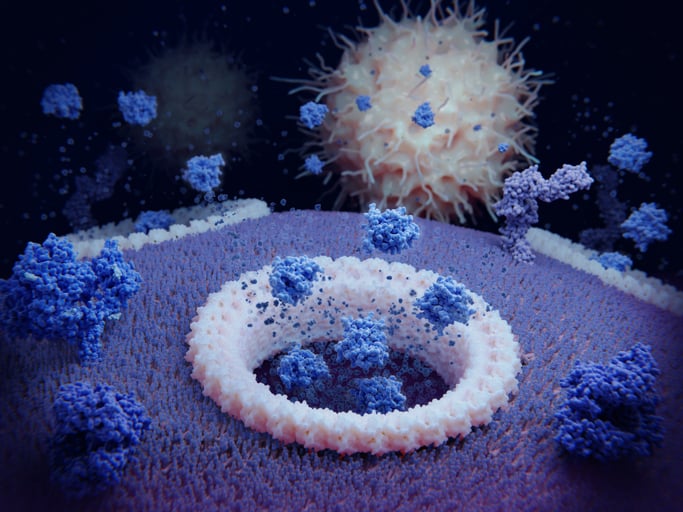
AACR: KRAS inhibitors pop in preclinical data debuts
Apr 11, 2024 4:30am
AACR: Mural debuts data for potential pipeline additions
Apr 10, 2024 11:16am
Poseida examines CAR-T conditioning to crack into solid tumors
Apr 10, 2024 10:32am